
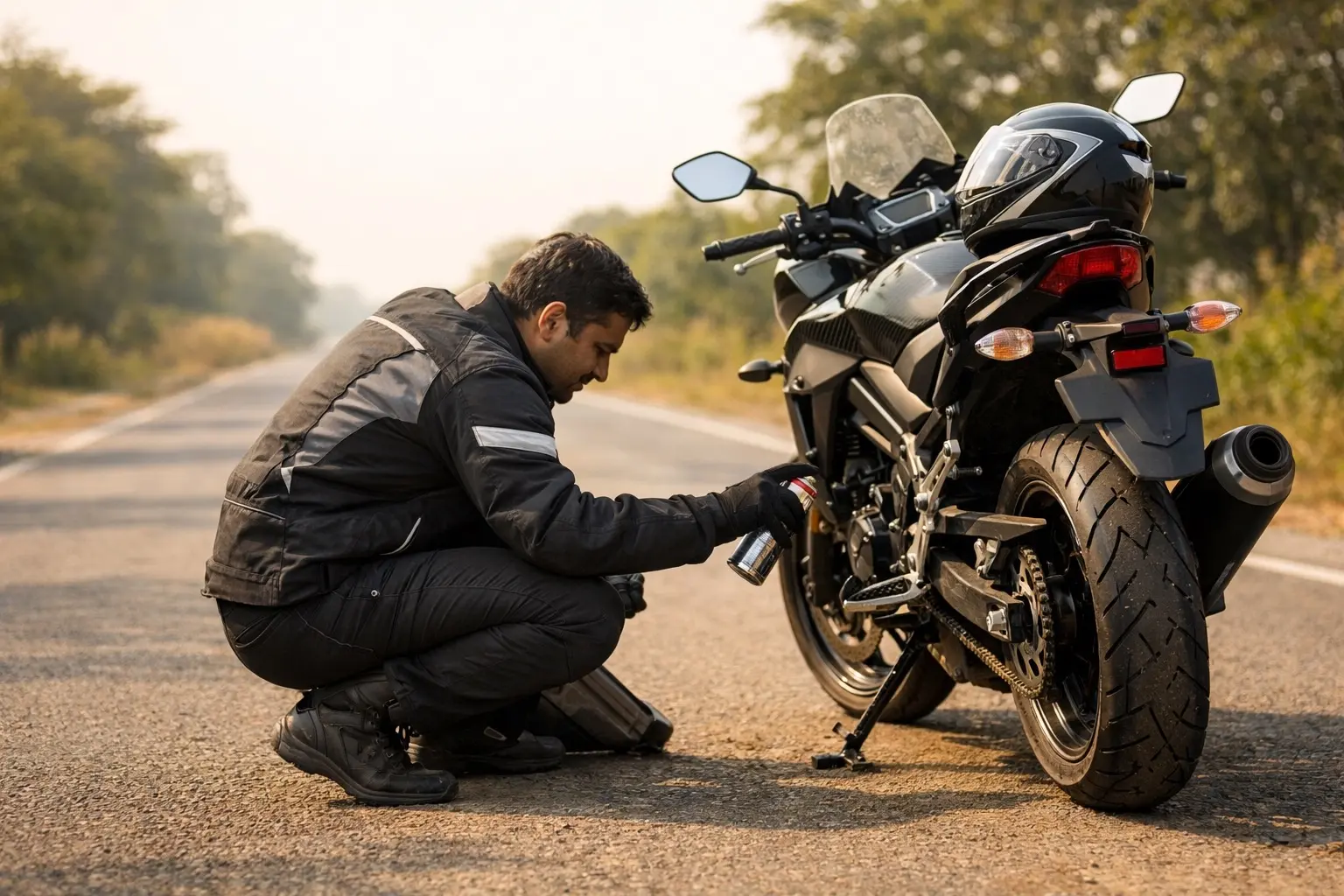
How to Maintain Your Motorcycle Chain in Indian Riding Conditions
Practical chain maintenance tips for Indian roads including dust rain and highway riding
How to Maintain Your Motorcycle Chain in Indian Riding Conditions
If there is one component that silently takes the most abuse on Indian roads, it is the motorcycle chain. Dust, rain, traffic, and long highway stretches all work against it every single day.
Yet, chain maintenance is often ignored until problems begin to show. Poor acceleration, jerky power delivery, and unusual noise are all signs that something is off.
The good news is simple. A little attention goes a long way.
Why Chain Maintenance Matters
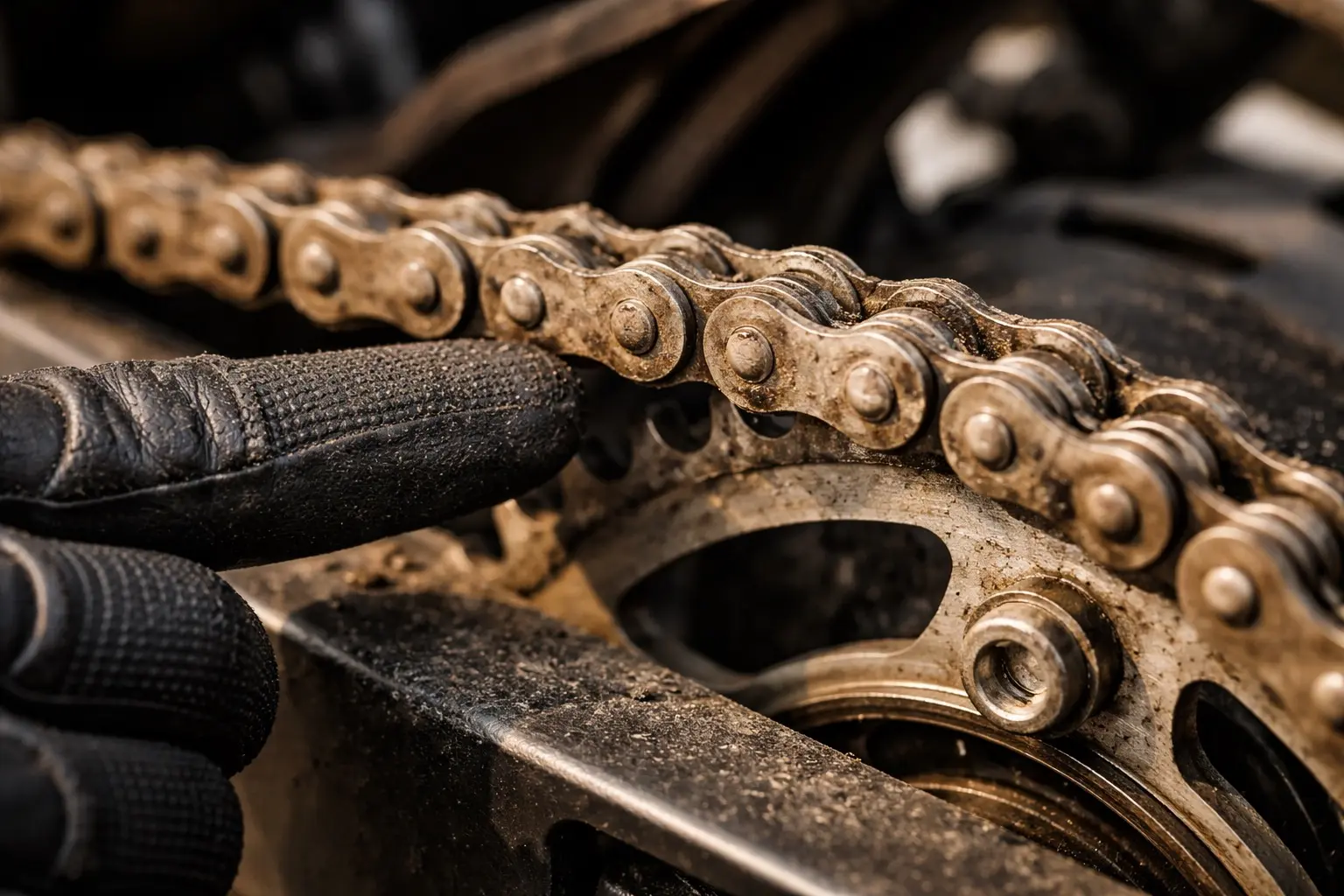
Your chain is responsible for transferring power from the engine to the rear wheel. When it is clean and properly lubricated, power delivery feels smooth and predictable.
When neglected, friction increases. This not only reduces performance but also accelerates wear on the sprockets, which can become an expensive replacement.
Indian riding conditions make things worse. Dust sticks to lubricant, rain washes it away, and traffic heat adds stress.
Cleaning the Chain Properly
Cleaning is the first step before any lubrication.
Use a dedicated chain cleaner or a mild degreaser. Avoid harsh chemicals that can damage O rings or X rings.
Steps:
- Place the bike on a center stand or paddock stand
- Rotate the wheel slowly
- Spray cleaner evenly across the chain
- Use a soft brush to remove grime
Avoid high pressure water directly on the chain. It can push dirt deeper into seals.
Cleaning frequency depends on usage, but for most riders:
- City riding every 500 to 700 km
- Touring or dusty conditions every 300 to 500 km
Lubrication for Different Conditions
Lubrication is not just about applying oil. It is about applying the right amount at the right time.
After cleaning, let the chain dry before applying lubricant.
Best practices:
- Apply lube on the inner side of the chain
- Rotate the wheel slowly to ensure even coverage
- Let it settle before riding
In dusty conditions, use lighter lubrication to avoid buildup. In wet conditions, slightly heavier lubrication helps maintain protection.
Chain Slack and Adjustment
Incorrect chain tension is one of the most common mistakes.
Too tight:
- Puts stress on the gearbox and sprockets
Too loose:
- Causes jerky movement and possible chain slip
Always follow manufacturer recommended slack range. Check slack with the bike on level ground.
Adjustment should be even on both sides to maintain alignment.
Signs Your Chain Needs Attention
Watch out for these signs:
- Uneven chain movement
- Tight spots while rotating
- Excessive noise during acceleration
- Visible rust or dryness
If you notice these early, you can fix the issue before it becomes serious.
Final Thoughts
Chain maintenance is not complicated. It just requires consistency.
Once you build the habit, it becomes a quick routine rather than a chore. In return, your motorcycle feels smoother, performs better, and lasts longer.
On Indian roads, that small effort makes a big difference.