
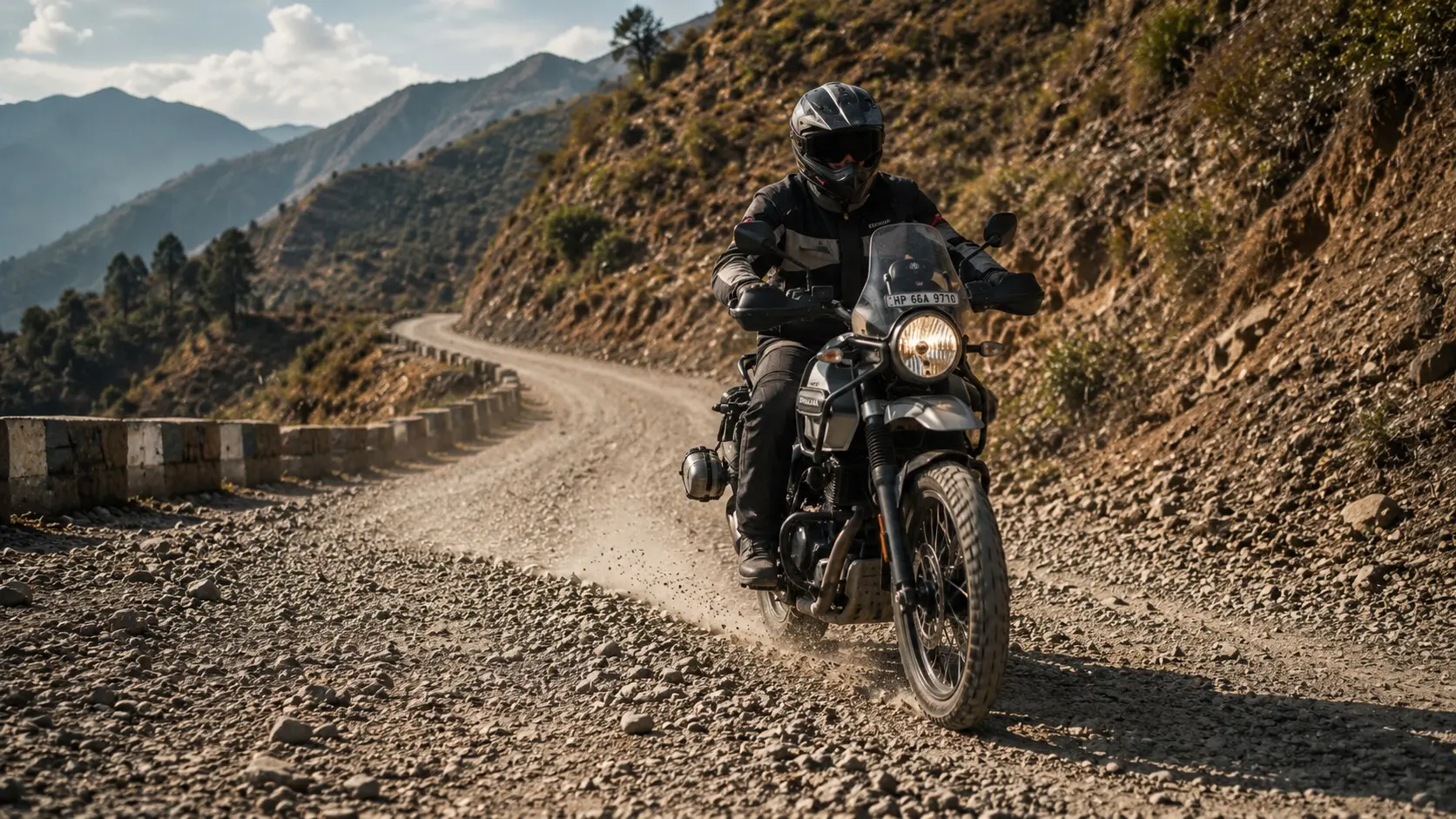
How to Ride Safely on Gravel and Loose Surfaces
Learn how to stay balanced and in control on gravel and loose road surfaces
Loose surfaces change the way a motorcycle behaves. Gravel, sand, broken roads, and loose dirt reduce traction and make the bike feel unstable, especially for riders who are used to smooth asphalt.
The first instinct for many riders is to tense up or slow down too aggressively. That usually makes the situation worse.
Riding safely on loose surfaces is about staying calm, smooth, and allowing the motorcycle to move naturally beneath you.
Why Gravel Feels Unstable
On asphalt, your tires grip the road consistently. Gravel shifts under the tires, which means traction changes constantly.
This creates:
- Light movement from the handlebars
- Small slides from the rear tire
- Reduced braking effectiveness
These movements are normal. The mistake is fighting them too aggressively.
Relax Your Grip
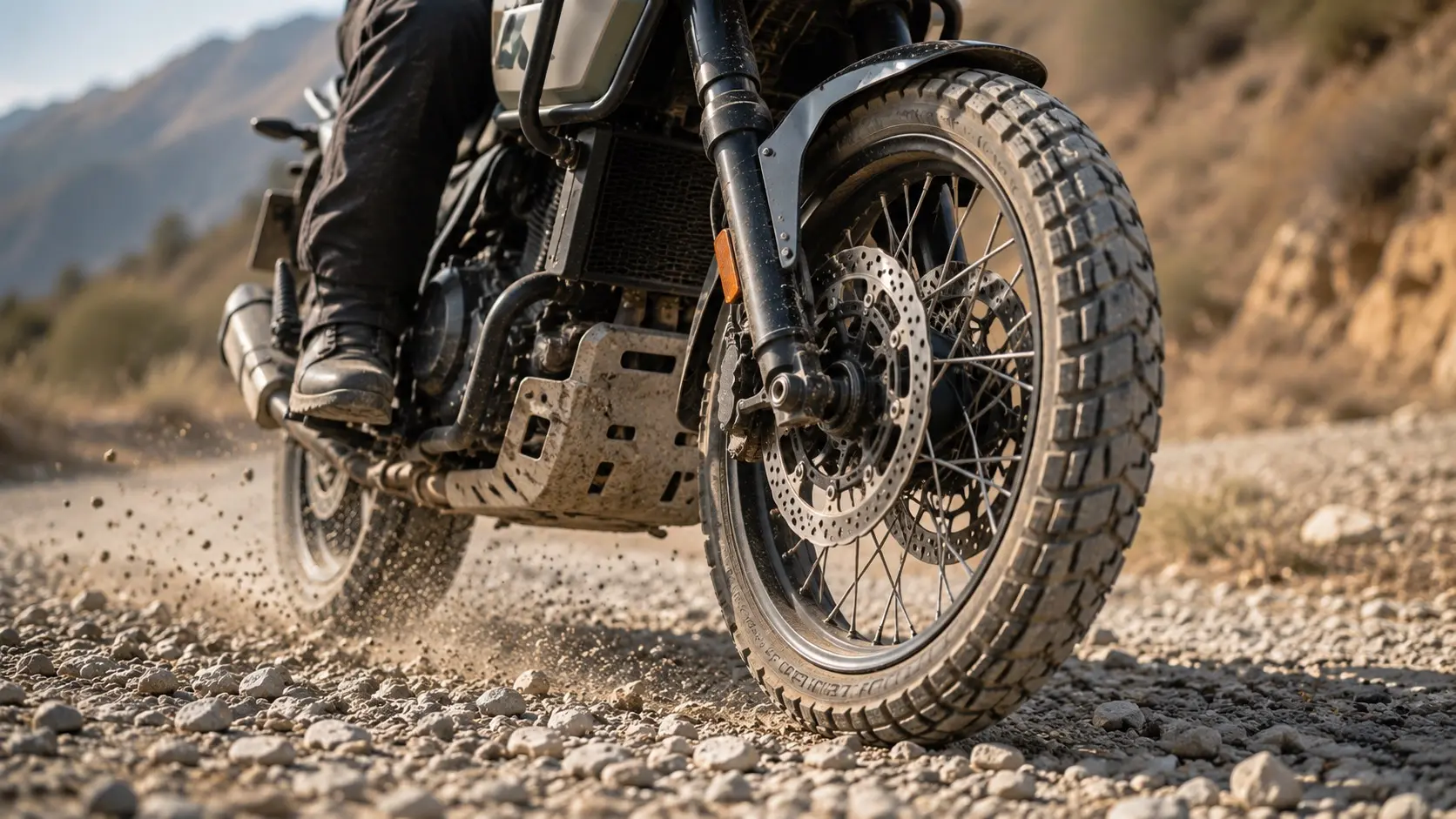
One of the biggest mistakes riders make on gravel is gripping the handlebars too tightly.
A tense upper body transfers instability into the bike.
Instead:
- Keep your elbows relaxed
- Hold the bars lightly
- Let the front wheel move slightly when needed
The motorcycle wants to stabilize itself. Your job is to guide it, not wrestle it.
Smooth Inputs Matter More Than Ever
Loose surfaces punish sudden movements.
Avoid:
- Abrupt braking
- Sharp throttle changes
- Sudden steering inputs
Everything should be gradual.
Roll on the throttle gently and brake progressively. Smooth riding keeps traction consistent.
Look Ahead Instead of Down
When riders feel nervous on gravel, they often stare directly at the surface in front of the bike.
This reduces balance and reaction time.
Instead:
- Keep your eyes up
- Look where you want to go
- Scan ahead for deeper gravel or obstacles
Your vision controls your confidence.
Braking on Loose Surfaces
Braking distances increase significantly on gravel.
The rear brake becomes more useful here because:
- It stabilizes the bike
- It reduces abrupt weight transfer
Use both brakes carefully, but avoid grabbing the front brake suddenly.
Progressive braking is essential.
Standing on the Pegs
On rough gravel roads or uneven terrain, standing slightly on the pegs can improve control.
This allows:
- Better balance
- Improved shock absorption
- More freedom for the bike to move underneath you
You do not need a full aggressive off road stance. Even a slight rise from the seat can help.
Common Mistakes to Avoid
Fighting the Handlebars
Small movement is normal.
Panic Braking
This increases instability.
Staring at the Ground
Always look ahead.
Riding Too Slowly
Very low speed can reduce balance on loose surfaces.
Building Confidence Gradually
Do not start on deep gravel roads immediately.
Practice on:
- Light gravel parking areas
- Hard packed dirt roads
- Quiet broken roads with loose sections
As confidence grows, the bike will start feeling more predictable.
Final Thoughts
Loose surfaces feel intimidating at first because the motorcycle moves differently than it does on asphalt.
But once you stop fighting the movement and start riding smoothly, the bike becomes surprisingly manageable.
Stay relaxed, look ahead, and trust the motorcycle to find grip. Confidence on gravel comes from calm control, not aggression.