
Helmet Certifications Explained for Indian Riders
Understand helmet certifications and choose safer riding gear with clarity
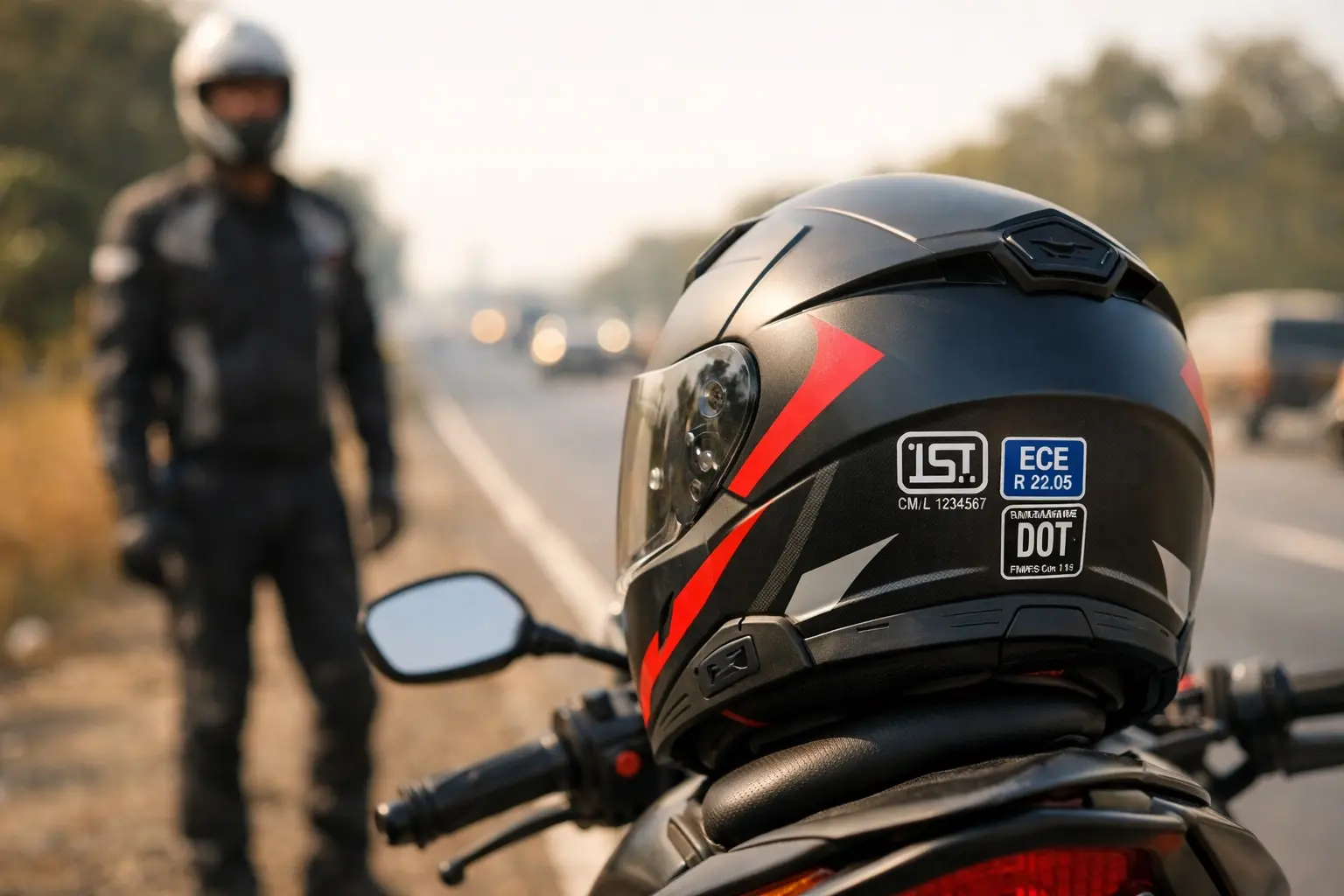
Walk into any motorcycle store and you will see helmets with labels like ISI, DOT, and ECE. For a new rider, these look like technical badges. For an experienced rider, they often become a source of confusion.
The problem is simple. Not all certifications are equal, and not all riders understand what these labels actually mean in real-world riding conditions.
This guide breaks down helmet certifications in a practical way so you can make safer decisions without getting lost in technical jargon.
Why Certifications Matter
A helmet is not just an accessory. It is the single most important piece of safety gear you will ever buy.
Certifications exist to ensure:
- Impact protection
- Structural integrity
- Retention system strength
- Basic safety standards
But here is the catch. A certification only tells you that a helmet has passed a minimum threshold. It does not guarantee comfort, durability, or long-term performance.
Understanding this difference is key. A certified helmet is a starting point, not the final decision.
ISI Certification and What It Means
ISI is the Indian safety standard. If you are buying a helmet in India, this is the most basic requirement.
What ISI ensures:
- Minimum impact protection
- Basic structural safety
- Legal compliance for road use
What ISI does not guarantee:
- High-speed crash performance
- Advanced impact absorption
- Consistent manufacturing quality across all brands
In reality, ISI helmets vary widely in quality. Some are well built, while others feel cheap and poorly finished.
The takeaway is simple. ISI is necessary, but not sufficient.
DOT Certification and Its Limitations
DOT comes from the United States and is widely seen on helmets sold in India.
What DOT covers:
- Impact resistance
- Penetration protection
- Retention system strength
The issue with DOT is that it is largely self-certified. Manufacturers declare compliance, and random checks happen later.
In practical terms:
- Some DOT helmets are excellent
- Some are not properly tested at all
For an Indian rider, DOT alone should not be your deciding factor.
ECE Certification and Why It Stands Out
ECE is a European standard and is widely considered more rigorous.
What makes ECE stronger:
- Independent testing
- Multiple impact zones
- Real-world crash simulation
- Strict manufacturing consistency
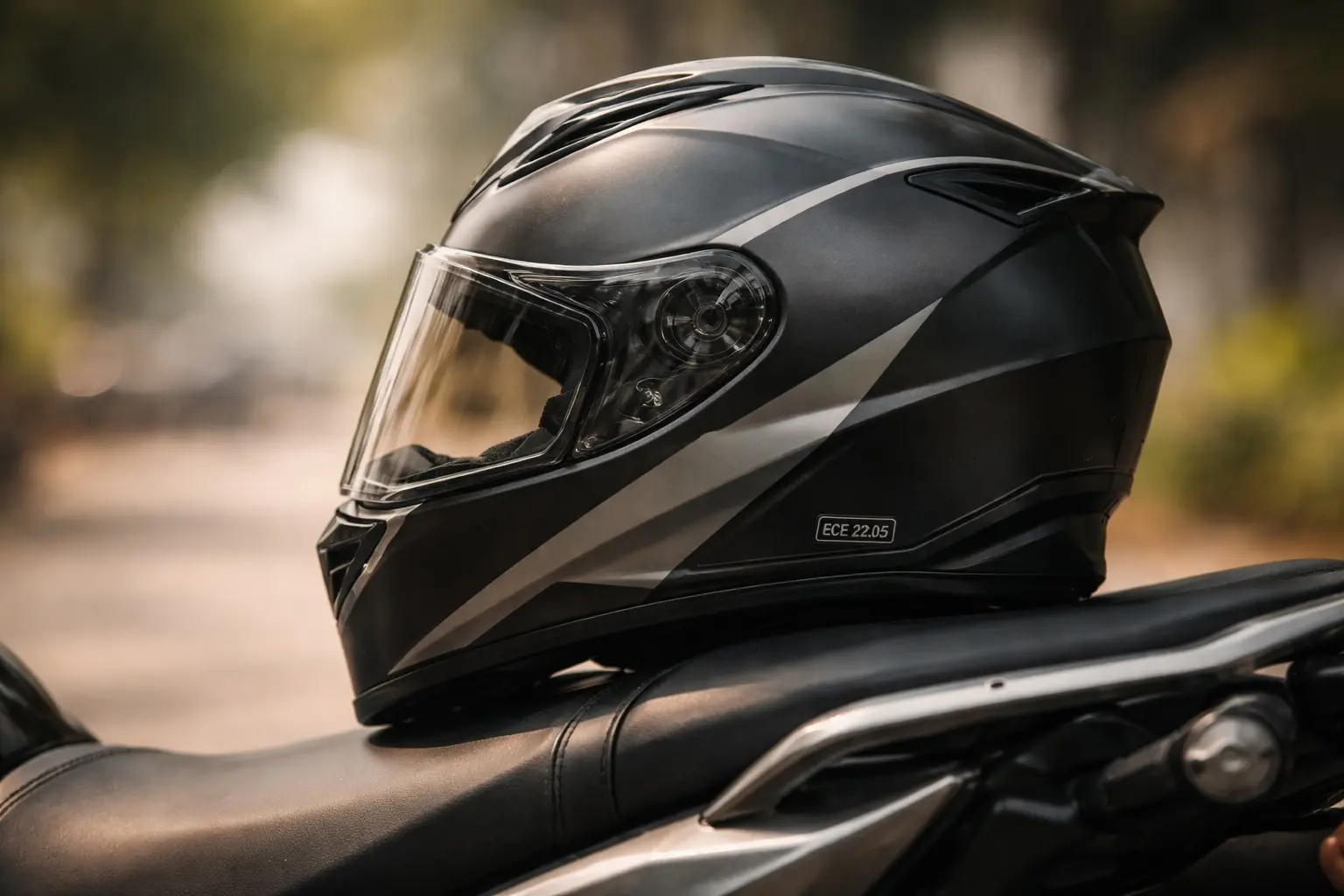
ECE helmets generally feel more refined. The fit, padding, and shell quality tend to be better compared to entry-level ISI helmets.
For most riders, ECE offers a better balance between safety and real-world usability.
ISI Plus ECE or DOT What Should You Choose
In India, many good helmets come with dual certification like ISI plus ECE.
This combination gives you:
- Legal compliance in India
- Better tested safety standards
If your budget allows, always aim for:
- ISI plus ECE over ISI only
- Trusted brands with consistent quality
Avoid choosing a helmet just because it says DOT without understanding the brand behind it.
Real World Factors Beyond Certification
Here is where most riders go wrong. They focus only on certification and ignore everything else.
Fit Matters More Than Labels
A loose helmet will not protect you properly. A tight helmet will cause fatigue and distraction.
Always check:
- Snug fit around cheeks
- No movement when you shake your head
- Comfortable pressure, not pain
Visibility and Ventilation
In Indian conditions, especially in traffic:
- Poor ventilation leads to sweat and discomfort
- Bad visibility increases risk
A slightly more expensive helmet with better airflow can make a huge difference in daily riding.
Weight and Fatigue
Heavy helmets may pass certifications but become uncomfortable on long rides.
Over time, this leads to:
- Neck strain
- Reduced concentration
Common Mistakes Riders Make
- Buying the cheapest ISI helmet available
- Ignoring fit and comfort
- Choosing style over safety
- Assuming all certifications are equal
These mistakes are common, and most riders realize them only after long rides or uncomfortable daily commutes.
Practical Buying Advice
If you are starting out, keep it simple:
- Step one: Ensure ISI certification
- Step two: Prefer ECE rated helmets if budget allows
- Step three: Prioritize fit over brand hype
- Step four: Check ventilation and weight
A good helmet is not about the logo. It is about how it performs when you are riding in traffic, on highways, and in unpredictable conditions.
Final Thoughts
Helmet certifications are important, but they are not the whole story.
Think of them as a baseline. What truly matters is how the helmet fits, feels, and performs in your daily riding life.
A well-fitted, properly ventilated, certified helmet will always outperform a poorly chosen premium one.
In the end, the goal is simple. Choose a helmet that you will actually wear every time you ride. Because the best helmet is the one that is on your head when it matters.