
How to Choose the Right Motorcycle Helmet in India for Safety and Comfort
A practical guide to choosing a motorcycle helmet in India based on safety comfort and real riding conditions
Choosing a helmet is one of the most important decisions you will make as a rider. It is also one of the most misunderstood. Many riders still treat helmets as a legal requirement rather than a piece of life saving equipment.
In Indian conditions, the right helmet is not just about safety ratings. It is about heat, ventilation, long rides, traffic, and comfort over hours of riding. Get it wrong and you will hate wearing it. Get it right and it becomes second nature.
Understanding Helmet Types
The first decision is the type of helmet. This directly affects safety and usability.
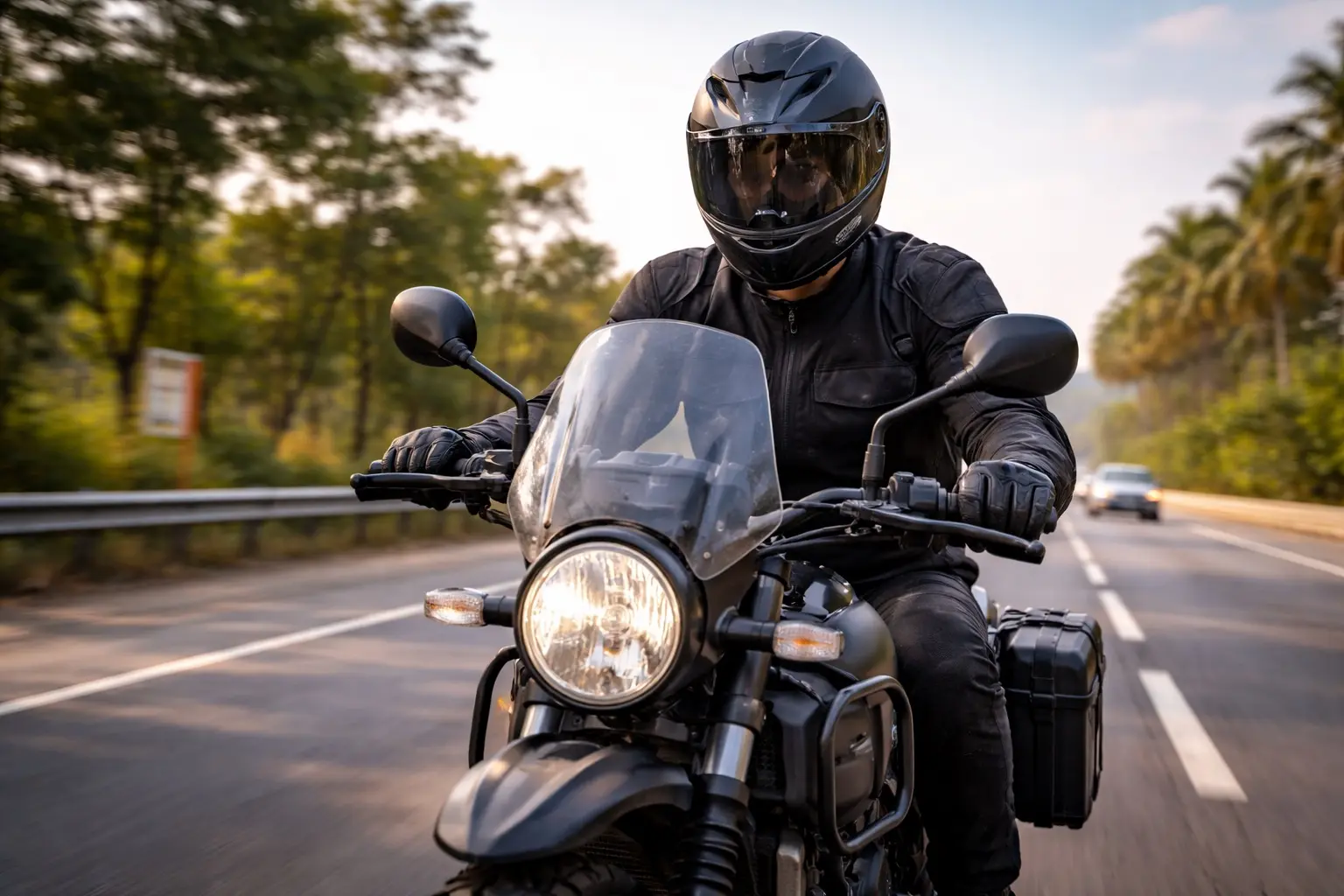
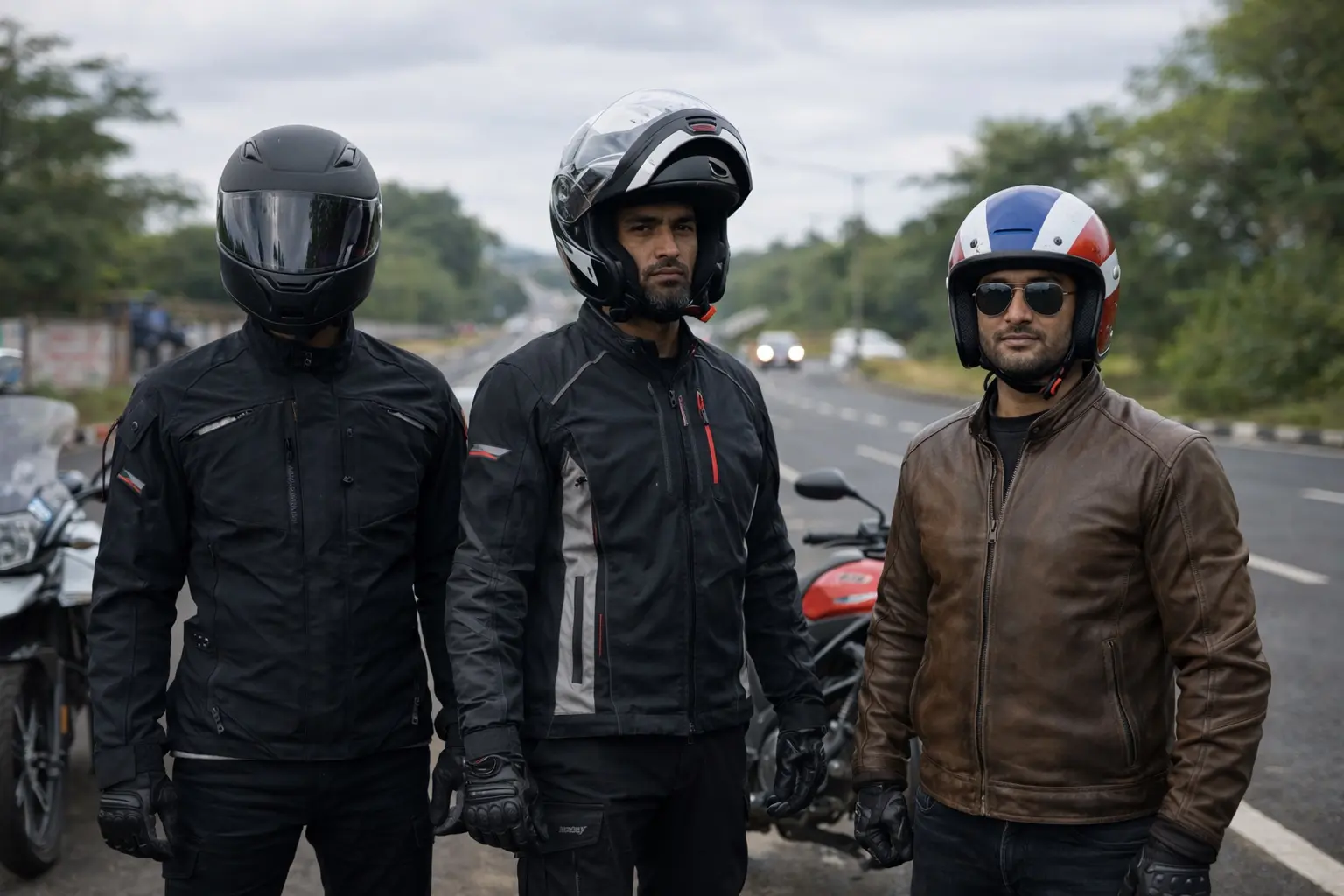
Full face helmets offer the best protection. They cover your entire head and face, making them ideal for highways and long distance touring. If you are serious about riding, this should be your default choice.
Modular helmets provide flexibility. You can flip up the chin bar, which is useful in city traffic or quick stops. However, they are slightly heavier and can be less rigid compared to full face helmets.
Open face helmets are common in cities but offer minimal protection. They leave your jaw exposed, which is a critical impact zone in accidents.
Blunt truth. If you ride beyond short city commutes, skip open face helmets.
Safety Certifications That Actually Matter
In India, you will see multiple certifications on helmets. Not all are equal.
- ISI is the basic legal requirement in India
- DOT is a US standard
- ECE is a European standard and widely respected
If possible, aim for ECE certified helmets. Many brands like LS2, Axor, and SMK now offer ECE rated helmets at reasonable prices.
Do not fall into the trap of buying a helmet just because it looks good or feels light. Certification matters more than aesthetics.
Fit Is More Important Than Price
This is where most riders get it wrong.
A helmet must feel snug, not loose. It should press evenly around your head without creating pressure points.
Checklist for proper fit:
- No movement when you shake your head
- Cheek pads should feel tight initially
- No gaps around temples or jaw
- Chin strap should be secure and not loose
Helmets loosen slightly over time. If it feels comfortable immediately, it will likely become too loose later.
Different brands fit differently. LS2 might suit one head shape while Axor suits another. Always try before buying if possible.
Ventilation and Heat Management
Indian riding conditions are brutal. Heat, humidity, and slow moving traffic can turn a helmet into an oven.
Look for:
- Multiple air vents
- Good airflow channels
- Breathable inner liners
Mesh liners and removable padding help with cleaning, which is essential in dusty conditions.
If you ride daily in cities like Bangalore or Chennai, ventilation becomes just as important as safety.
Visor Quality and Visibility
A helmet visor is not just a piece of plastic. It affects your riding confidence.
Key things to check:
- Optical clarity with no distortion
- Anti fog capability
- Scratch resistance
- Wide field of vision
Tinted visors look great but reduce visibility at night. A better option is a clear visor with a separate sun visor or riding glasses.
Weight and Long Distance Comfort
Heavy helmets can strain your neck, especially on long rides.
However, do not chase ultra light helmets at the cost of safety. A slightly heavier, well balanced helmet is better than a light but poorly built one.
For touring, comfort over hours matters more than saving a few grams.
Budget vs Premium Reality
You do not need to spend a fortune, but you also should not go too cheap.
Entry level helmets from brands like SMK and Axor offer excellent value. Mid range options from LS2 bring better materials and comfort.
What you are paying for:
- Better shell materials
- Improved ventilation
- Superior liner quality
- Reduced wind noise
Avoid unknown brands with flashy designs. They often compromise on safety.
Real World Usage Matters
Think about how you actually ride.
- City riders need ventilation and convenience
- Highway riders need stability and noise control
- Tourers need comfort for hours and durability
There is no single perfect helmet. There is only the right helmet for your riding style.
Final Thoughts
A helmet is not an accessory. It is a critical part of your riding setup.
Prioritize safety certification first, then fit, then comfort. Ignore trends and focus on what works in real riding conditions.
If you take one thing away from this guide, let it be this. A good helmet should disappear when you ride. If you are constantly aware of it, something is wrong.
Spend time choosing it. Your future self will thank you.