

Riding Ladakh for a High Altitude Motorcycle Journey
Practical advice and real riding insight for riders planning a Ladakh motorcycle journey
Riding Ladakh for a High Altitude Motorcycle Journey
Few motorcycle journeys in India match the raw experience of riding in Ladakh. The region combines remote mountain landscapes, thin air, unpredictable weather, and roads that challenge both rider and machine. For many riders this trip is not just a tour but a milestone.
The terrain demands preparation. The distance between towns can be large, fuel stops are limited, and weather changes quickly at high altitude. Riders who approach Ladakh with patience and practical planning will discover one of the most memorable riding regions in the world.
Preparing for the High Altitude Ride
Most Ladakh journeys begin by climbing from the plains into the mountains through the manali-leh-highway. The change in altitude happens quickly and the body needs time to adapt. Riders who rush the climb often feel the effects of altitude sickness.
A gradual pace makes a big difference. Plan shorter riding days during the first two days of the journey. Hydration and rest matter more than covering distance.

Motorcycle choice is another important factor. In recent years the royal-enfield himalayan has become a common sight on Ladakh roads. The motorcycle is not fast, but its stable handling and comfortable suspension work well on broken surfaces.
Fuel planning is also critical. Outside larger towns such as leh, official fuel stations can be far apart. Carrying a small fuel can gives peace of mind when riding long remote sections.
Riding Conditions in the Mountains
The roads of Ladakh change constantly. One hour may bring smooth tarmac with sweeping curves, while the next section could involve loose gravel, water crossings, or broken surfaces caused by winter damage.
Weather also plays a major role. Even in summer temperatures can drop quickly once the sun disappears behind the mountains. Strong winds often appear during afternoon hours in the high passes.
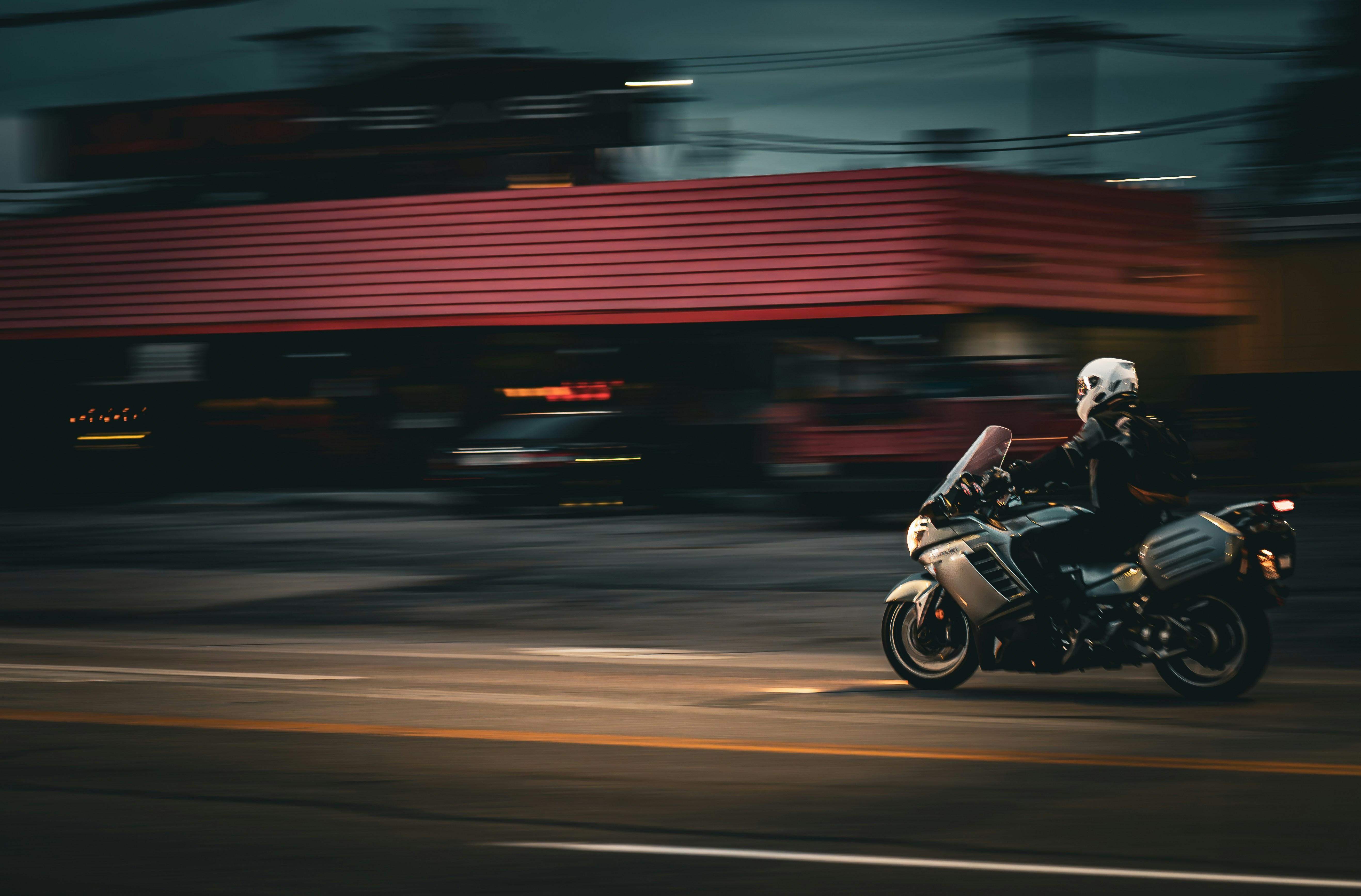
Riding technique becomes important in these conditions. Smooth throttle control and relaxed steering inputs help maintain stability on loose surfaces. Riders who stand slightly on the foot pegs during rough sections gain better balance and visibility.
Another factor is traffic. During peak season many riders travel the route. Trucks and support vehicles also use the same narrow roads. Defensive riding habits help maintain safe distances and avoid sudden hazards.
The Landscape That Makes the Journey
What makes Ladakh special is not only the riding challenge but the scenery that surrounds the rider. Wide valleys open between steep mountain walls, and the sky often appears larger than anywhere else in the country.
The road toward pangong-lake offers one of the most memorable sections of the journey. The water changes color during the day as sunlight shifts across the valley. Riders often stop simply to absorb the silence of the landscape.
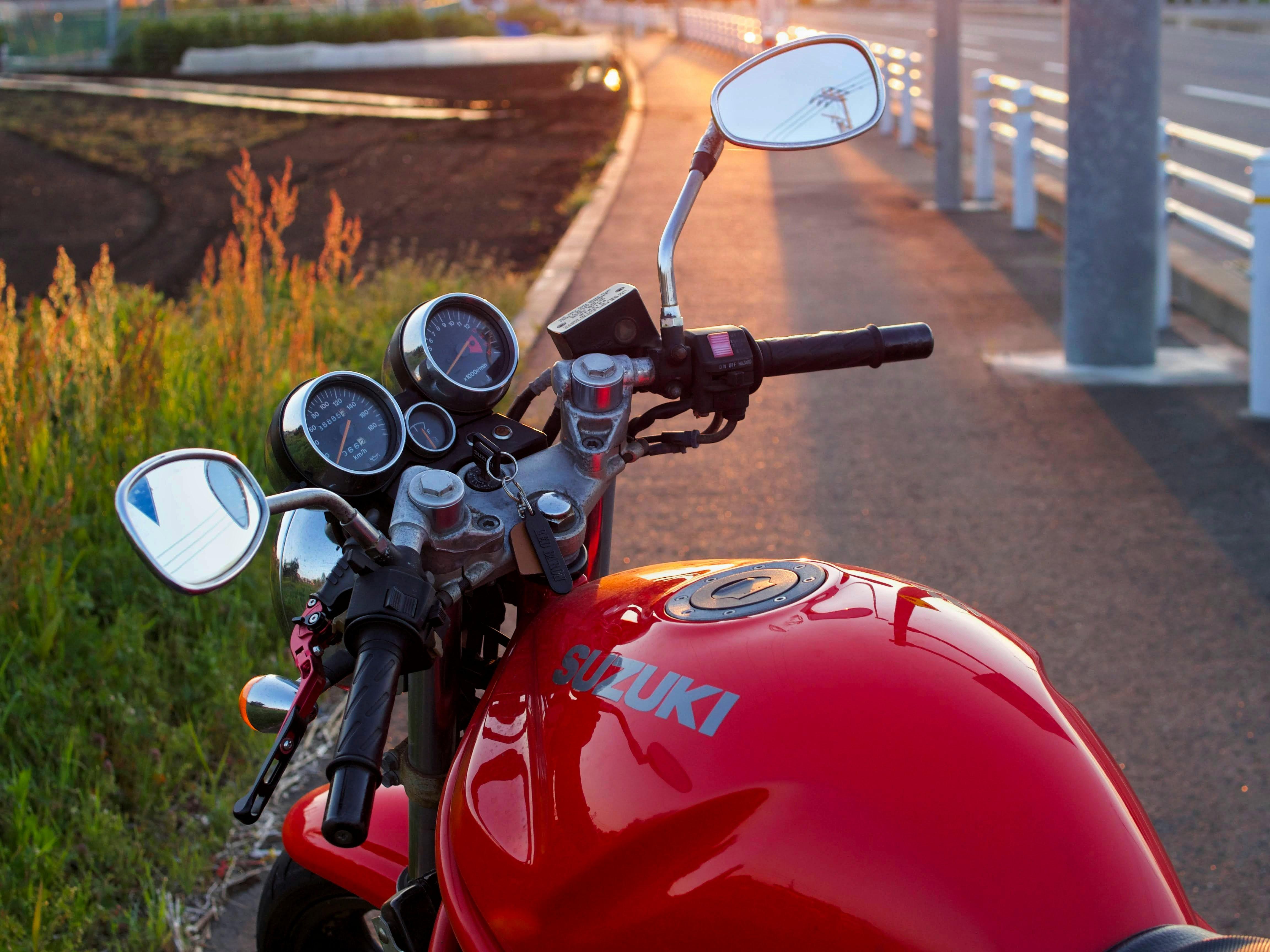
The remote nature of the region also encourages slower travel. Instead of rushing through the route, riders benefit from spending time in small villages, speaking with local residents, and observing daily life in the mountains.
These moments often become the strongest memories of the journey.
Final Thoughts
Riding Ladakh is less about speed and more about endurance and awareness. The region rewards riders who approach the journey with patience and respect for the environment.
With proper preparation, reliable equipment, and a flexible travel plan, the Ladakh ride becomes more than a motorcycle trip. It becomes a deep riding experience shaped by altitude, weather, and the unique rhythm of the Himalayan mountains.
For many riders it is a journey that changes the way they think about motorcycling and travel.