
Defensive Riding Techniques for Everyday Motorcyclists
Practical defensive riding techniques that help riders stay safe in real traffic
Defensive Riding Techniques for Everyday Motorcyclists
Motorcycle riding requires constant awareness. Unlike drivers inside a car, riders remain exposed and must react quickly to changes in traffic conditions. Defensive riding is not about riding slowly but about anticipating potential hazards before they develop.
Many experienced riders treat defensive riding as a continuous process of observation, positioning, and decision making.
Reading Traffic Early
Traffic patterns reveal useful information if a rider pays attention. Sudden braking from vehicles ahead, changing lane positions, or distracted drivers often indicate a developing hazard.

The key is to scan far ahead while also checking mirrors frequently. This habit creates a wider awareness of the environment and allows riders to react earlier.
Motorcycles such as the yamaha-mt-03 and honda-cb300r respond quickly to rider inputs. That responsiveness helps when small adjustments are needed to avoid hazards.
Maintaining a safe following distance also increases reaction time. Riders who follow too closely lose valuable seconds that could prevent an accident.
Lane Position and Visibility
One of the most important defensive techniques is choosing the correct lane position. Riding directly behind a vehicle reduces visibility for both the rider and surrounding traffic.
Positioning slightly to one side of the lane improves visibility and allows other drivers to notice the motorcycle earlier.
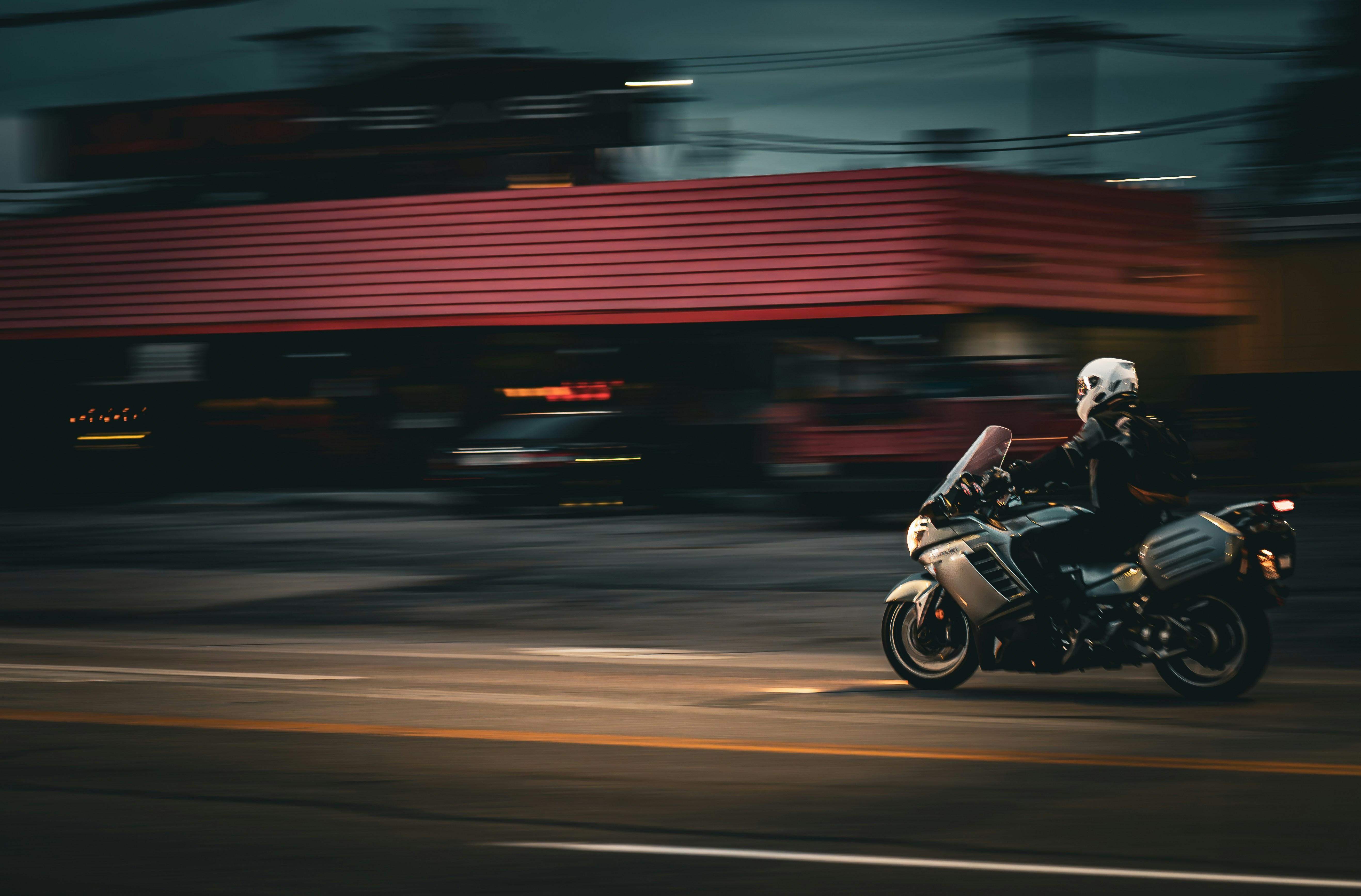
Lane positioning also helps avoid road hazards such as oil patches or debris that often accumulate in the center of the lane.
On highways riders should adjust their position based on surrounding vehicles. Moving within the lane can create space and reduce the risk of being trapped between larger vehicles.
Smooth Control and Emergency Reactions
Defensive riding includes the ability to react smoothly during unexpected situations. Abrupt inputs can destabilize the motorcycle, especially during cornering or braking.
Practicing progressive braking helps riders stop quickly while maintaining control. The front brake provides most stopping power, but smooth pressure application prevents wheel lock.

Emergency swerving is another useful skill. Instead of braking hard when a sudden obstacle appears, a quick steering input may create a safe path around the hazard.
These techniques require practice in controlled environments before they become natural responses during real traffic situations.
Final Thoughts
Defensive riding is less about reacting quickly and more about preventing dangerous situations from developing in the first place.
Riders who continuously observe traffic, maintain space around their motorcycle, and control their inputs smoothly build a safety margin during every ride.
Over time defensive habits become instinctive. When that happens riders discover that the road feels calmer, safer, and far more enjoyable.