
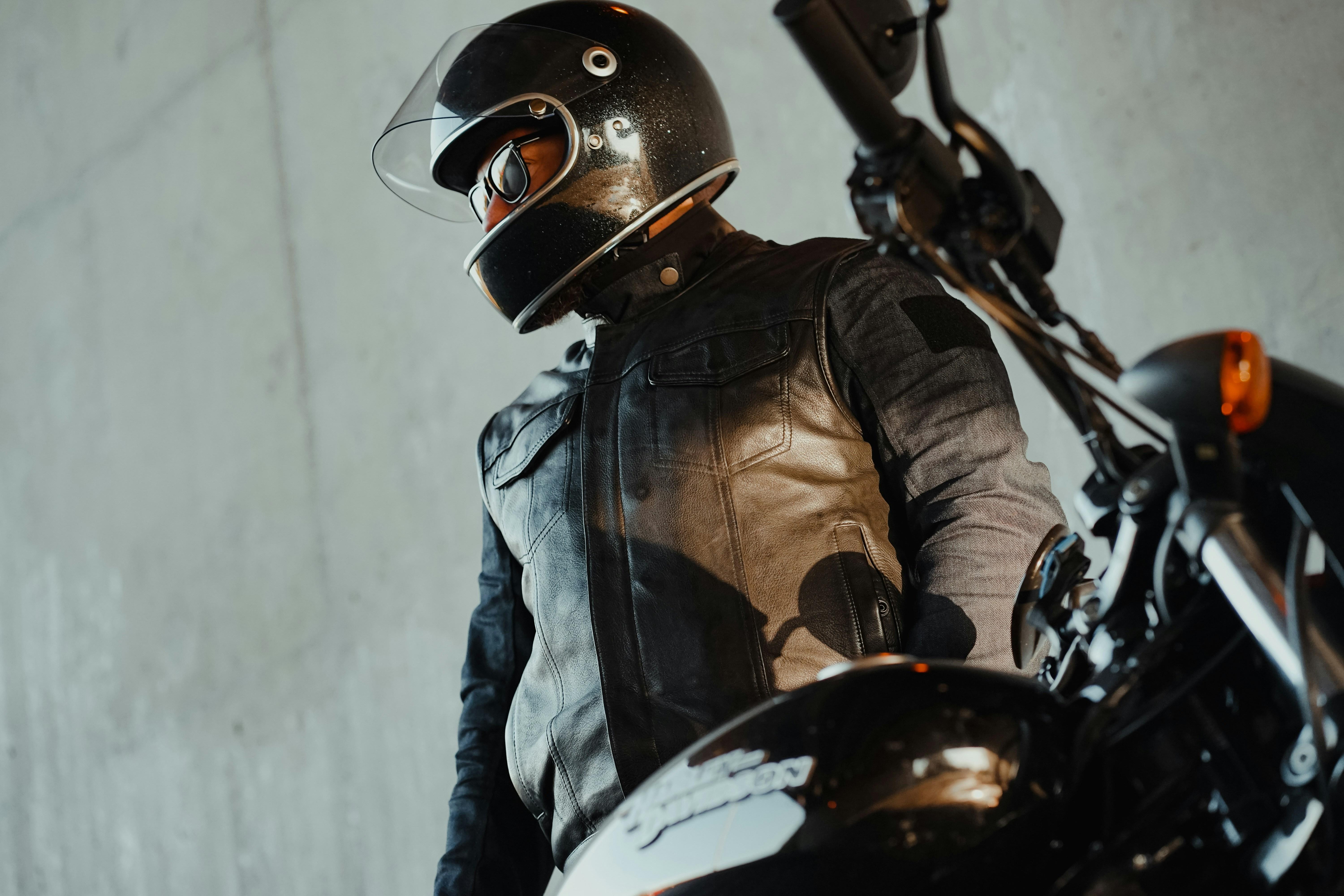
The Middleweight Adventure Motorcycle Boom in India
Manufacturers are rapidly expanding their middleweight adventure motorcycle lineup as touring culture grows in India.
Adventure motorcycles are no longer a niche segment in India.
What was once dominated by a handful of models has now evolved into one of the most competitive motorcycle categories in the country. Manufacturers are rapidly expanding their middleweight adventure offerings, responding to a growing demand among riders eager to explore India’s diverse landscapes.
From high-altitude Himalayan routes to coastal highways, riders are increasingly choosing motorcycles designed specifically for long-distance touring and mixed terrain.
Why Adventure Motorcycles Are Growing

Several factors are driving the popularity of adventure motorcycles.
The first is the expansion of India’s road network. Improved highways and better connectivity between remote regions have made long-distance motorcycle travel more accessible than ever before.
Equally important is the cultural shift among riders.
Motorcycling is no longer limited to daily commuting. Increasingly, riders view motorcycles as tools for exploration—machines capable of carrying them across entire regions and states.
Adventure motorcycles, with their upright ergonomics, long-travel suspension, and luggage capability, fit this lifestyle perfectly.
Manufacturers Respond to Demand
Brands such as BMW Motorrad, KTM, and Triumph have recognized the potential of this segment.
Their middleweight adventure offerings aim to strike a balance between accessibility and performance. These motorcycles typically feature engines in the 300cc to 900cc range, making them powerful enough for highway touring while remaining manageable for a wide range of riders.
The appeal lies in versatility.
A middleweight adventure motorcycle can comfortably handle daily commuting during the week and transform into a touring machine on the weekend.
Manufacturers are also increasingly tailoring motorcycles for Indian conditions, emphasizing suspension travel, durability, and manageable seat heights.
Touring Culture and Social Riding
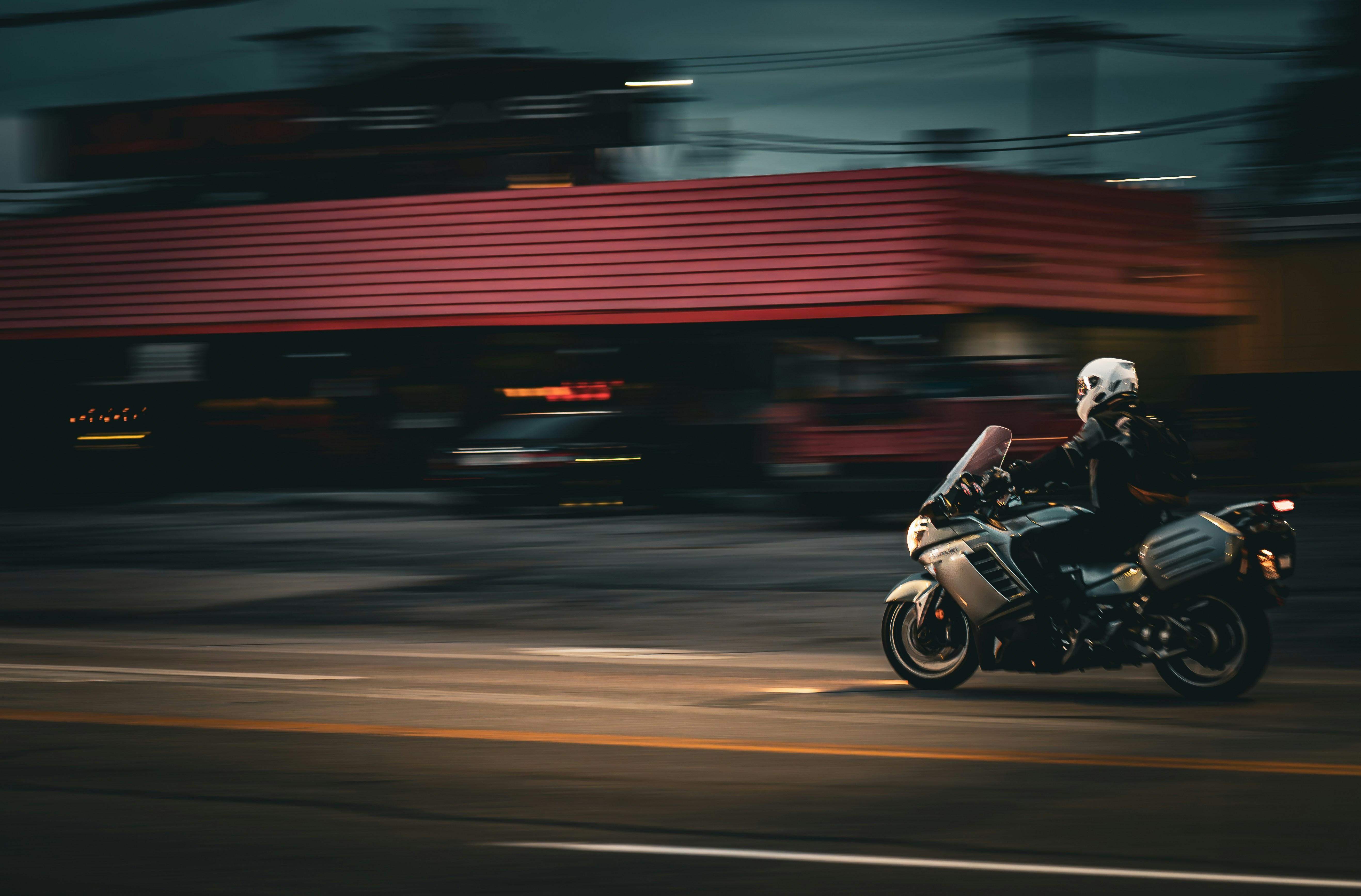
Adventure riding communities have played a significant role in the segment’s growth.
Rider groups regularly organize expeditions across regions like Spiti Valley, Ladakh, and the Western Ghats. These journeys often span several days or even weeks, requiring motorcycles that are comfortable, reliable, and capable of handling varied terrain.
Social media has amplified this trend.
Photos and videos of riders navigating mountain passes, desert trails, and scenic coastal roads have inspired a new generation of motorcyclists to pursue long-distance riding.
Infrastructure Supporting Adventure Travel
Touring infrastructure across India has also improved considerably.
Motorcycle-friendly homestays, touring guides, and dedicated riding events are becoming more common. Routes once considered remote are now supported by rider communities and improved logistics.
This infrastructure makes adventure riding less intimidating for newcomers.
With better planning resources and support networks available, more riders are attempting multi-day rides and cross-country journeys.
Challenges That Still Exist
Despite the growing enthusiasm, adventure riding in India still presents challenges.
Road conditions can change rapidly, especially in mountainous regions. Weather patterns in high-altitude areas such as Ladakh can also be unpredictable, requiring careful preparation.
Additionally, motorcycles designed for adventure touring often come with higher price tags compared to commuter motorcycles.
However, manufacturers are gradually addressing this by introducing more affordable entry-level adventure motorcycles.
The Future of Adventure Motorcycling
Industry experts expect the adventure motorcycle segment to continue expanding over the next decade.
Younger riders entering the market are showing a strong interest in travel-oriented motorcycling. This demographic shift is influencing manufacturers to invest heavily in motorcycles designed specifically for touring and exploration.
We are also likely to see improvements in rider aids, suspension technology, and touring accessories.
These developments will make adventure motorcycles even more capable and accessible.
Final Thoughts
Adventure motorcycling in India is no longer a fringe activity practiced by a small group of enthusiasts.
It has become a defining part of the country’s evolving motorcycle culture.
As more riders seek experiences beyond city commuting, motorcycles designed for exploration are becoming essential tools for travel.
The middleweight adventure segment sits perfectly at the center of this shift—offering riders the power, comfort, and versatility needed to explore India’s most remarkable roads.